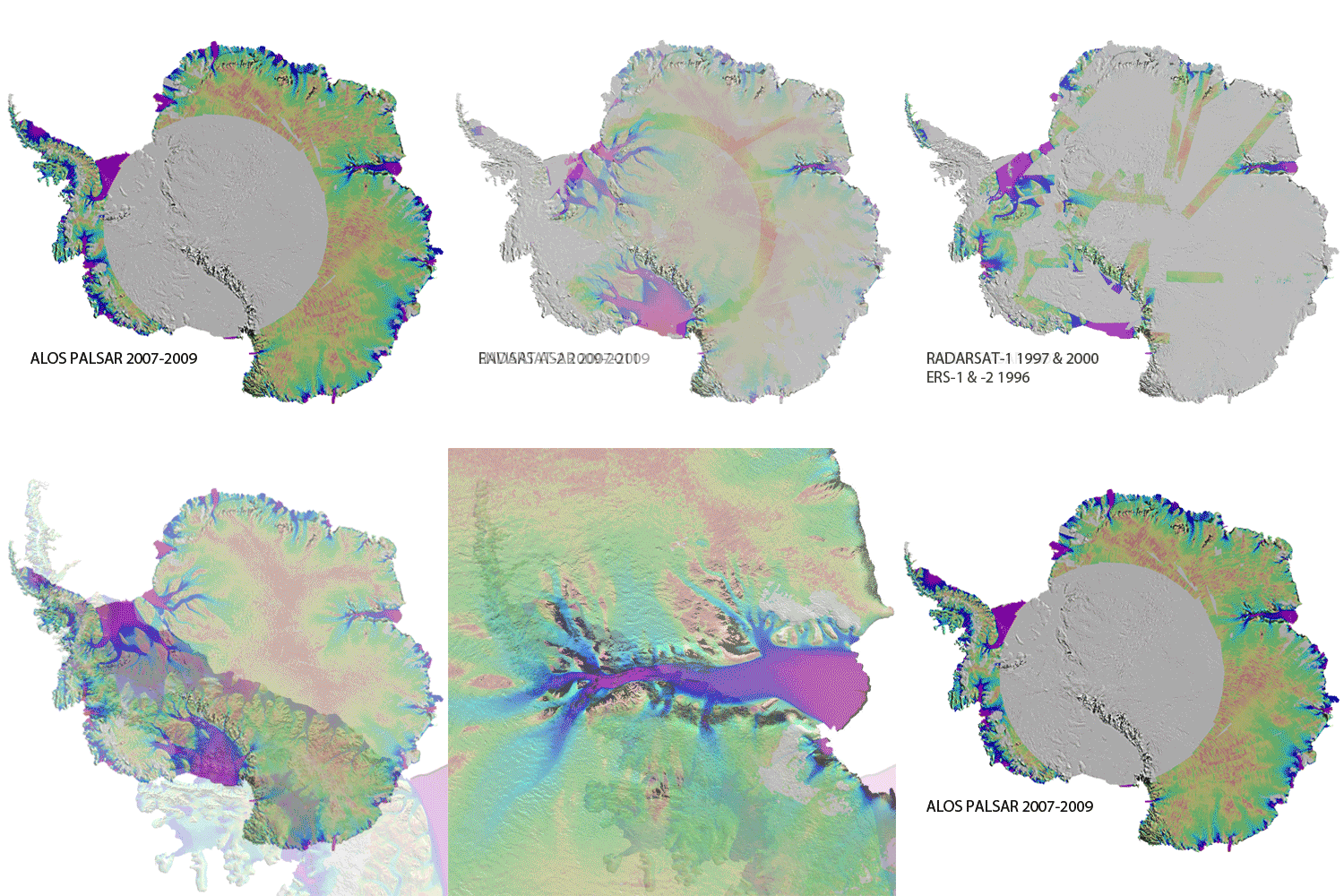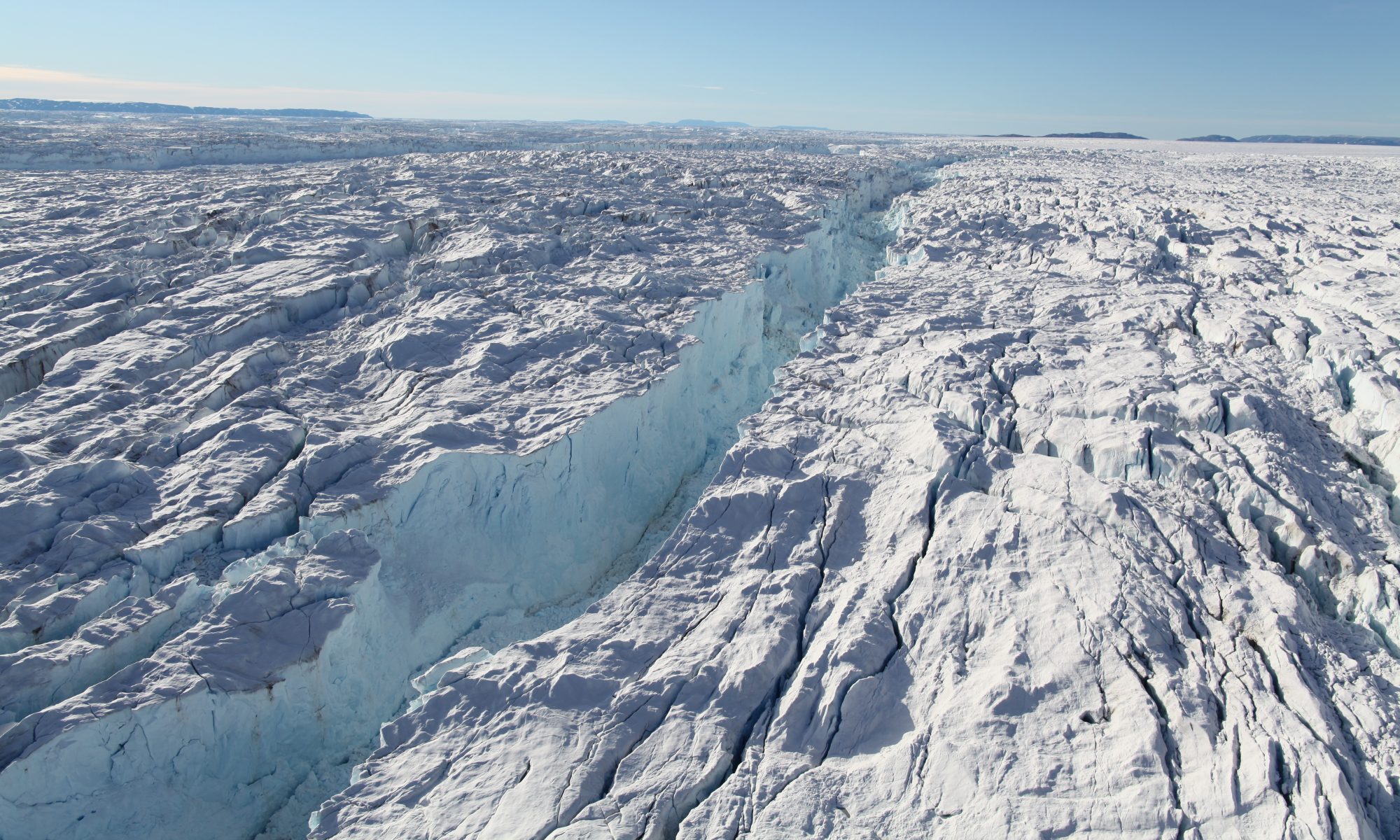
We seek to understand the interaction between ice and climate, and determine how the ice sheets in Antarctica and Greenland will respond to climate change in the coming century and affect global sea level rise.
Glaciology mixes a variety of scientific and engineering disciplines. We combine satellite remote sensing techniques (imaging radar interferometry, laser altimetry, optical imagery) airborne geophysical surveys (gravity, radar depth sounder), shipborne surveys (multi beam echo sounding, conductivity temperature depth (CTD) profiles), robotic devices (AUV, multibeam sonar), field surveys (ground penetrating radars, ground portable radar interferometer, GPS), and numerical modeling (ice sheet models ISSM, and ocean models MITgcm) to study ice-ocean-atmosphere interactions.
Our research group varies in size from 8 to 10 members at UCI and 4 members at JPL. We have permanent researchers, project scientists, postdocs, and graduate students sharing their research experience and bringing their strengths together. Check out the opportunities to join our team. We are active on social medias so that our science feeds into adaptation and mitigation strategies.